At the time of writing this, thirteen new species of dinosaurs have been discovered in 2026. Twelve of them represent brand new genera. This article will go over two of them, Yeneen and Foskeia. Stay tuned for future releases, as more are coming!
Yeneen
Described Jan 13, 2026
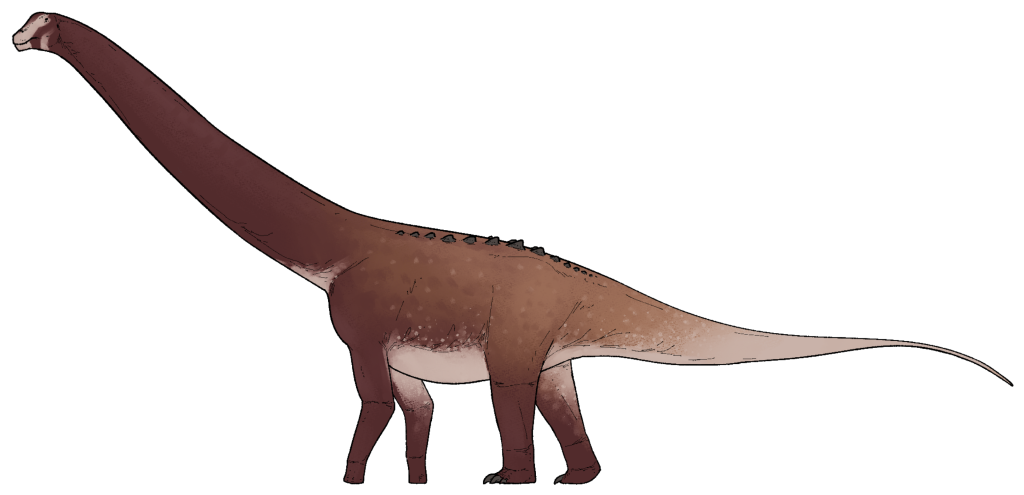
Yeneen houssayi was a relatively small titanosaurian sauropod that lived in Late Cretaceous Argentina, around 86 million years ago. It is only small when compared to other members of its group, which are typically over a hundred feet long. Yeneen measured up to 39 feet in length, and stood at around 12 feet tall. Like most titanosaurs (and sauropods in general), it had four pillar-like legs and a long neck, as well as osteoderms along its back. Osteoderms are bones embedded in the skin that acted like natural armor. It would have used these for defense against predators in its region, such as Tratayenia rosalesi, a megaraptorid. Yeneen fed on plants, specifically those high up in trees. It would have used its long neck to feed from those hard-to-reach places, giving it an advantage over other herbivores with shorter necks. This is an example of natural selection. Its name is a reference to a mythical creature from local legends in the area.
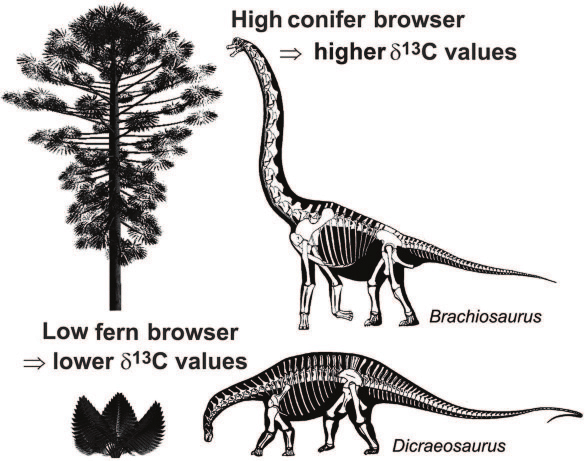
What makes Yeneen special is that it helps showcase the diversity of sauropods in its region, the Bajo de la Carpa formation. This formation has six genera of sauropod in it, all of which are Titanosaurs. You would think that this many of the same type of dinosaur in one area would lead to heavy competition. However, this is surprisingly not the case. This is due to a natural phenomenon known is niche partitioning. Essentially, it is when different species living in one community divide up space and resources to limit competition between them. In the Bajo de la Carpa, the sauropods did exactly that. Some of them, like Rinconsaurus and Yeneen would have fed higher up, stripping leaves from trees. Meanwhile, Bonitasaura would have used its guillotine-like tooth structure to literally rake low-lying plants into its mouth. This isn’t even the only example of this in sauropods, it is seen in ecosystems all over the world, and in different time periods. Yeneen certainly lived in a diverse and rich ecosystem.
Foskeia
Described Feb 2, 2026
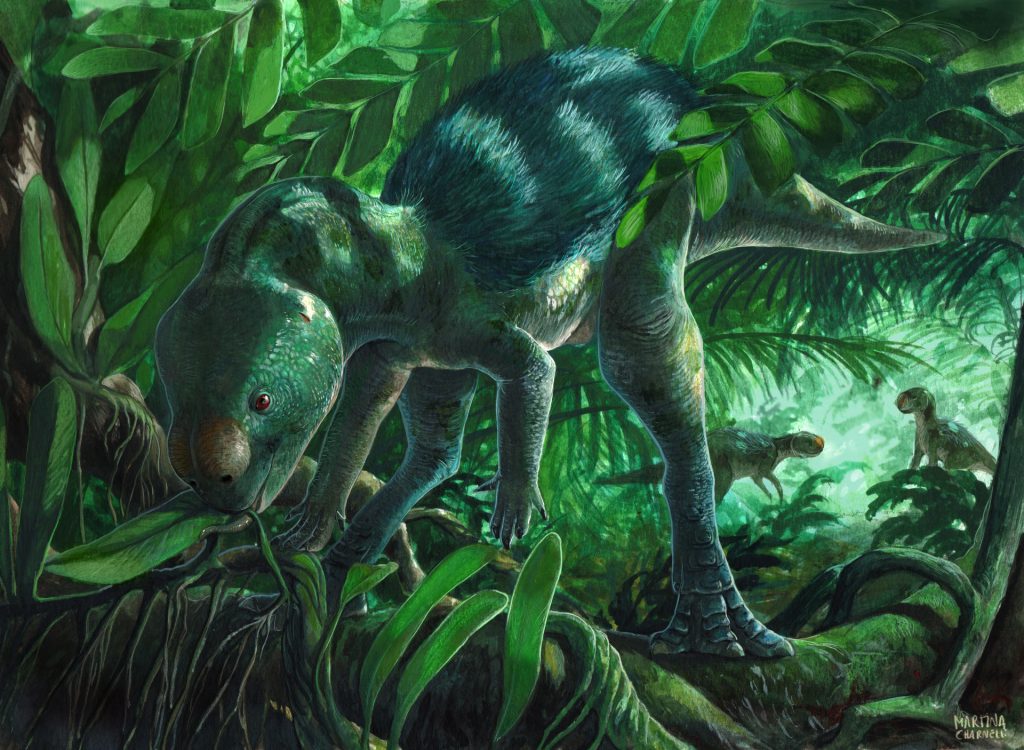
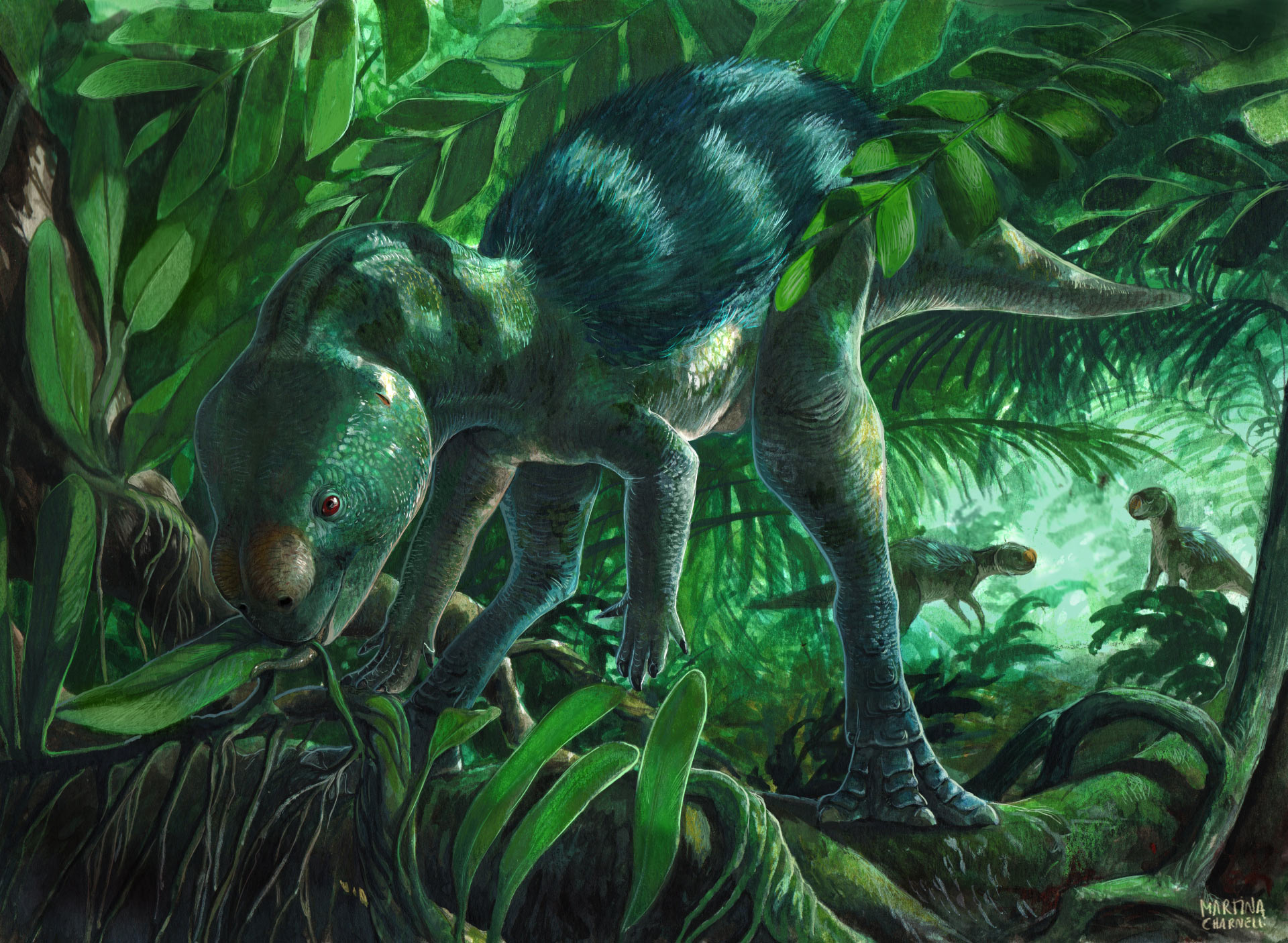
Foskeia pelendonum was a tiny rhabodontomorph ornithopod that lived in Early Cretaceous Spain, around 125 million years ago. It was incredibly small, measuring up to a diminutive two feet in length, and standing less than a foot tall. Foskeia was lightly built, and as a result of this, it was also fast and agile, which would allow it to evade predators. The only predator that has been discovered to live with Foskeia is a monitor lizard, Arcanosaurus. Not much is known about it other than the fact that it is a monitor lizard. It is unknown if it hunted Foskeia or not. Foskeia was very similar to most other basal ornithopods, but it was many times smaller than the vast majority of them. Its name means “light forager”, which is accurate to its feeding style. It would have traversed the forest floor, using its beak and teeth to process and consume any vegetation that it came across. It was very aptly named, its lifestyle really was that of a lightweight forager.
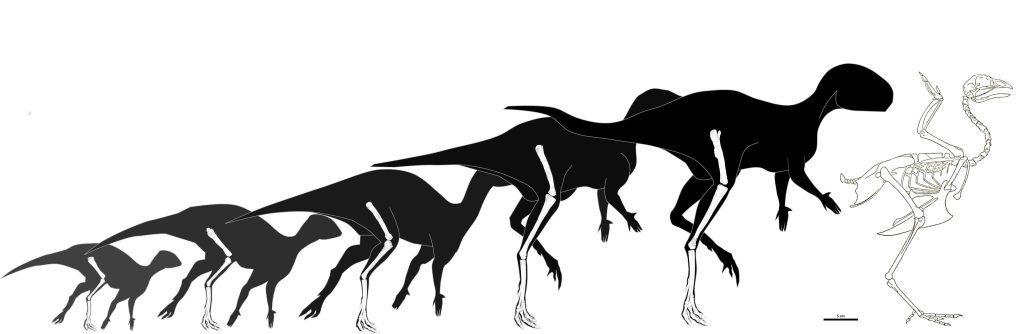
Something unique about Foskeia is how it changed as it grew. We have discovered five specimens of the genus, some of which were at different growth stages. The most notable thing about these individuals were that the juveniles were quadrupedal, while the adults were bipedal. This is significant because it is among the few instance known of a dinosaur that switches stance as it ages. This means that Foskeia started life as four-legged babies, but as they grew, they slowly gained the ability to walk upright. Sound familiar? A modern day species that does the exact same thing is a human. We start out as crawling babies, but then we take our first steps and learn to walk. Does this mean Foskeia is as intelligent as a human? No. They were probably only about as smart as cats or dogs. Still, it is very interesting to see such a special adaptation in a dinosaur of all creatures.
“Foskeia.” Total Dino, 2 Feb. 2026, www.totaldino.com/dino/foskeia. Accessed 8 Apr. 2026.
“Yeneen.” Total Dino, 13 Jan. 2026, www.totaldino.com/dino/yeneen. Accessed 8 Apr. 2026.
Filippi, L. S., et al. “Yeneen Houssayi Gen. Et Sp. Nov. And an Overview of the Sauropod Titanosaurian Diversity from Cerro Overo – La Invernada Area (Bajo de La Carpa Formation, Santonian), North Patagonia, Argentina.” Historical Biology, 12 Jan. 2026, pp. 1–37, https://doi.org/10.1080/08912963.2025.2584707. Accessed 8 Apr. 2026.
Mogensen, Jackie Flynn. “New Chicken-Sized Dinosaur Baffles Paleontologists.” Scientific American, 2 Feb. 2026, www.scientificamerican.com/article/new-chicken-sized-dinosaur-baffles-paleontologists/. Accessed 22 Feb. 2026.
Říha, Milan, et al. “Ecosystem, Spatial and Trophic Dimensions of Niche Partitioning among Freshwater Fish Predators.” Movement Ecology, vol. 13, no. 1, 27 May 2025, https://doi.org/10.1186/s40462-025-00559-0.
Leave a Reply
You must be logged in to post a comment.