At the time of writing this article, nine new species of dinosaurs have been discovered in 2026. Eight of them represent brand new genera. This article will go over two of them, Ferenceratops and Xenovenator. Stay tuned for future releases, as more are coming!
Ferenceratops
Described Jan 7, 2026
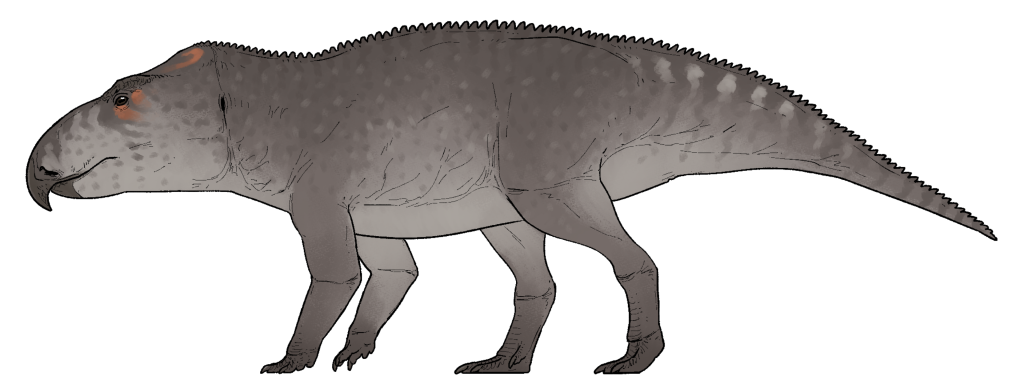
Ferenceratops shquipeorum was a small, basal ceratopsian that lived in Late Cretaceous Romania, around 70 million years ago. It measured up to six feet in length, and stood up to two feet tall. Ferenceratops was lightly built, typically walking on all fours. It was also capable of going bipedal like a person for short amounts of time though. It lacked the distinctive frills and horns that most ceratopsians like Triceratops had, but it still possessed a large, sharp beak. This beak was mainly used to cut through vegetation to eat, but it could also be used as a weapon against predators, such as Balaur bondoc. Its name means “Ferenc horned face”, in honor of Franz Nopsca, a Hungarian paleontologist.
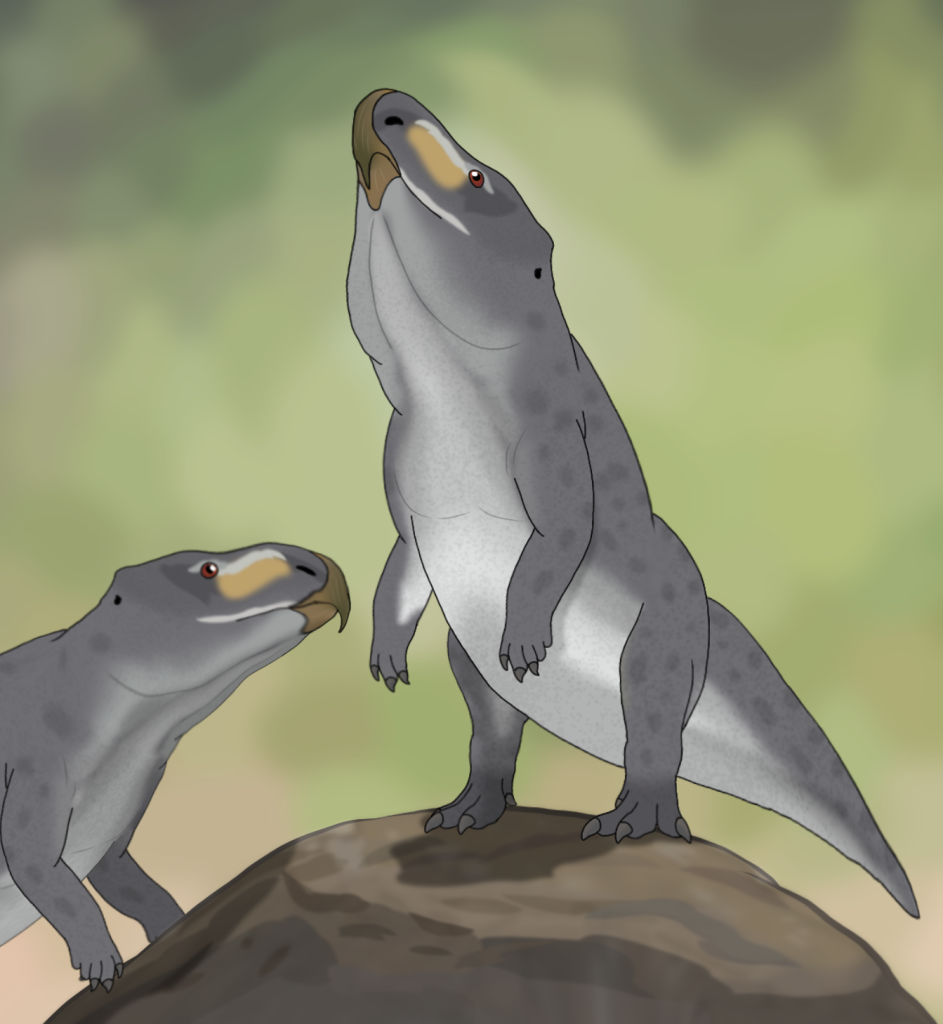
Ceratopsians like Ferenceratops had never been discovered in Europe before. This is strange, because they were very widespread around the world, yet completely nonexistent in Europe. At the same time, another group, known as rhabodontids were incredibly common across Europe. But they have almost never been found anywhere else. While studying the skull of a dinosaur named Ajkaceratops, scientists discovered that it was almost identical to a rhabodontid known as Mochlodon. Further research confirmed that they belonged to the same genus. Realizing that some rhabodontids might be ceratopsians, they went through their collection. Another rhabodontid, Zalmoxes, was also found to be a ceratopsian, but it was not of any known genus. So, the scientists published a paper re-describing the Zalmoxes skull as a new genus, Ferenceratops.
Xenovenator
Described Jan 9, 2026
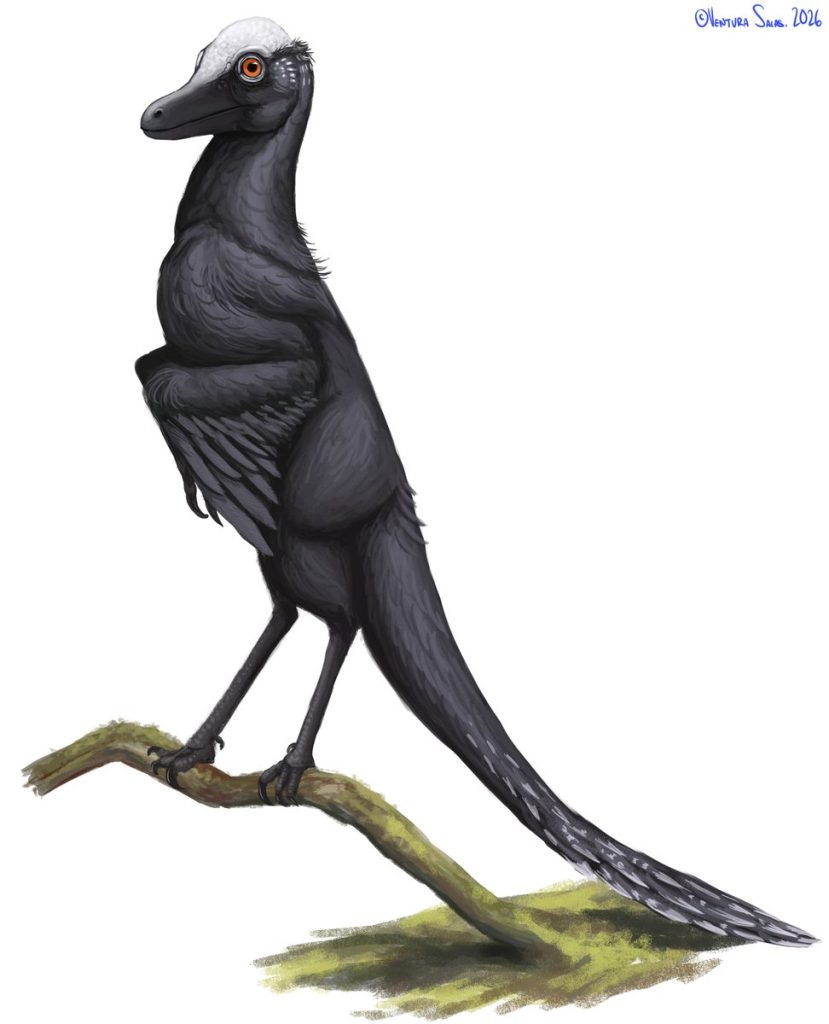
Xenovenator espinosai was a relatively large troodontid that lived in Late Cretaceous Mexico, around 72 million years ago. It measured up to nine feet in length, and stood up to four feet tall. Xenovenator was built like a standard troodontid, with long legs built for fast movement, a stiff tail for balance while running, and a short sickle claw on each foot for slicing into prey. It was also covered in feathers, which would have helped it with agility. Xenovenator was likely an omnivore, preying on a mixture of small animals, eggs, and plants. It was, like most troodontids, very intelligent. It was on par with modern day birds like crows and ravens, which are actually very smart. Xenovenator likely had a complex social structure, and may have even used tools, although that is speculative. Its name means “Strange Hunter”, likely due to its unique head shape.
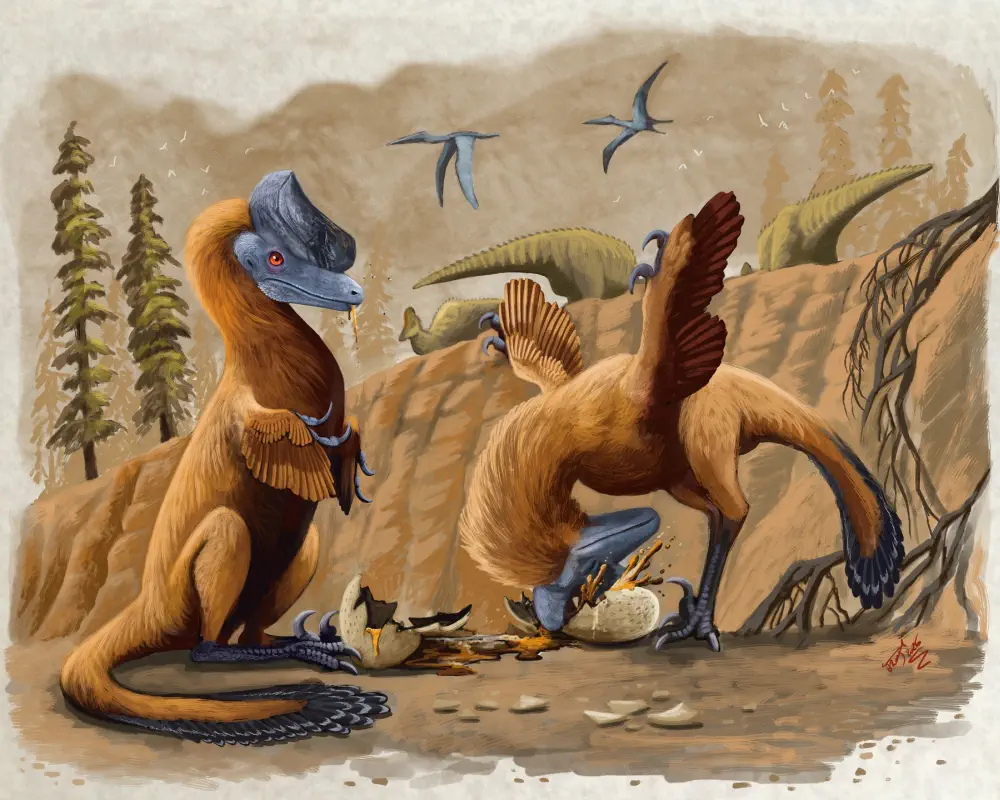
What set Xenovenator apart from other troodontids is that it had a literal dome on its skull, formed from thickened bone. The purpose of this structure is unknown, but has not been found on any other troodontids. However, it has been found in pachycephalosaurids, a group of dinosaurs that used their domed skulls for intraspecific combat. It is likely that Xenovenator did the same, bashing their heads against each other to compete for mates, territory, or even for fun. The domed shape of the head helped absorb heavy impacts, preventing permanent brain damage. Xenovenator may have also used this structure to crack open the hard shell eggs to eat the nutritious yolk inside.
Work Cited/Bibliography
Dino, Total. “Ferenceratops.” Total Dino, 7 Jan. 2026, www.totaldino.com/dino/ferenceratops. Accessed 18 Mar. 2026.
—. “Xenovenator.” Total Dino, 9 Jan. 2026, www.totaldino.com/dino/xenovenator. Accessed 18 Mar. 2026.
“Europe’s Missing Ceratopsian Dinosaurs Have Finally Been Found | Natural History Museum.” Nhm.ac.uk, 2026, www.nhm.ac.uk/discover/news/2026/january/europes-missing-ceratopsian-dinosaurs-have-finally-been-found.html.
Lazaro, Enrico de. “Thick-Skulled Troodontid Dinosaur Unearthed in Mexico | Sci.News.” Sci.News: Breaking Science News, 13 Jan. 2026, www.sci.news/paleontology/xenovenator-espinosai-14477.html. Accessed 18 Mar. 2026.
Maidment, Susannah C. R., et al. “A Hidden Diversity of Ceratopsian Dinosaurs in Late Cretaceous Europe.” Nature, 7 Jan. 2026, https://doi.org/10.1038/s41586-025-09897-w. Accessed 6 Mar. 2026.
Leave a Reply
You must be logged in to post a comment.